
Operational Technology (OT) and Internet of Things (IoT) devices now represent one of the fastest growing segments of enterprise digital assets. Yet while OT and IoT environments continue to converge with traditional IT networks, the operational cyber ecosystem is often the least understood, and most consequential, from a risk perspective.
One of the key challenges is that risk management strategies for OT and IoT environments vary considerably. Understanding how to move from uncertainty to measurable, predictable OT risk management starts with getting a better handle on what OT risk management entails.
Why OT and IoT Cybersecurity and Risk Management Are Different
Perhaps the most critical distinction between IT and OT risk is the type of consequences. Unlike IT incidents, which typically result in data loss or business interruption, OT cyber incidents can lead to loss of life, physical injury, equipment damage, environmental impact, financial harm and prolonged operational disruption.
These risks are no longer theoretical. Between 2010 and 2024, approximately 264 publicly reported incidents have included physical impacts, such as production halts, equipment failures and operational disruptions (based on recent studies by Waterfall Security). What’s more, from an economic perspective, the damage caused by such attacks on operational environments is significant: the cost of a single incident can go up to $5 million (World Economic Forum). Not to mention ransomware attacks, for which the average cost per single attack is around $1 million (Global Resilience Federation, Sophos). This backdrop is the reality we live in today.
This threat landscape continues to evolve. Nation‑state actors, financially motivated ransomware groups, hacktivists, insiders and supply chain service providers all contribute to an expanding attack surface. Recent years have shown that the problem is accelerating. In fact, 85% of cybersecurity leaders from five major countries in an ABI Research survey reported at least one incident that impacted OT environments this year, and 47% of the total reported more than one incident this year.
OT Cybersecurity Risk Is a Business Risk
It’s clear that cybersecurity in OT and IoT environments is no longer (if it ever was) purely a technical issue. Because of its potential safety, legal, financial and reputational consequences, OT cyber risk must be treated alongside other enterprise risks.
This shift requires strong board level visibility, executive sponsorship, sufficient staffing and dedicated funding. Cyber risk mitigation plans must be communicated clearly to senior leadership, with outcomes expressed in business terms rather than technical jargon.
To communicate the risk effectively, and using common language, organizations must understand what actually makes up “risk” when it comes to OT environments. In practical terms, risk is driven by four components:
- Threats that could cause harm
- Vulnerabilities that can be exploited
- Impact if a threat materializes
- Controls that reduce or mitigate risk
Threats, vulnerabilities and impact increase risk, while effective controls decrease it. Understanding and, in turn, measuring these components, is foundational to meaningful OT and IoT risk management.
Established Frameworks Provide a Proven Foundation for OT Risk Management
The good news is that organizations don’t need to invent their own risk management models. Well‑established standards and frameworks already exist at both enterprise and OT‑specific levels, including ISO 31000:2018, IEC 31010:2019, NIST Risk Management Framework (RMF), ISO/IEC 27005:2022 and ISA/IEC 62443-3-2.
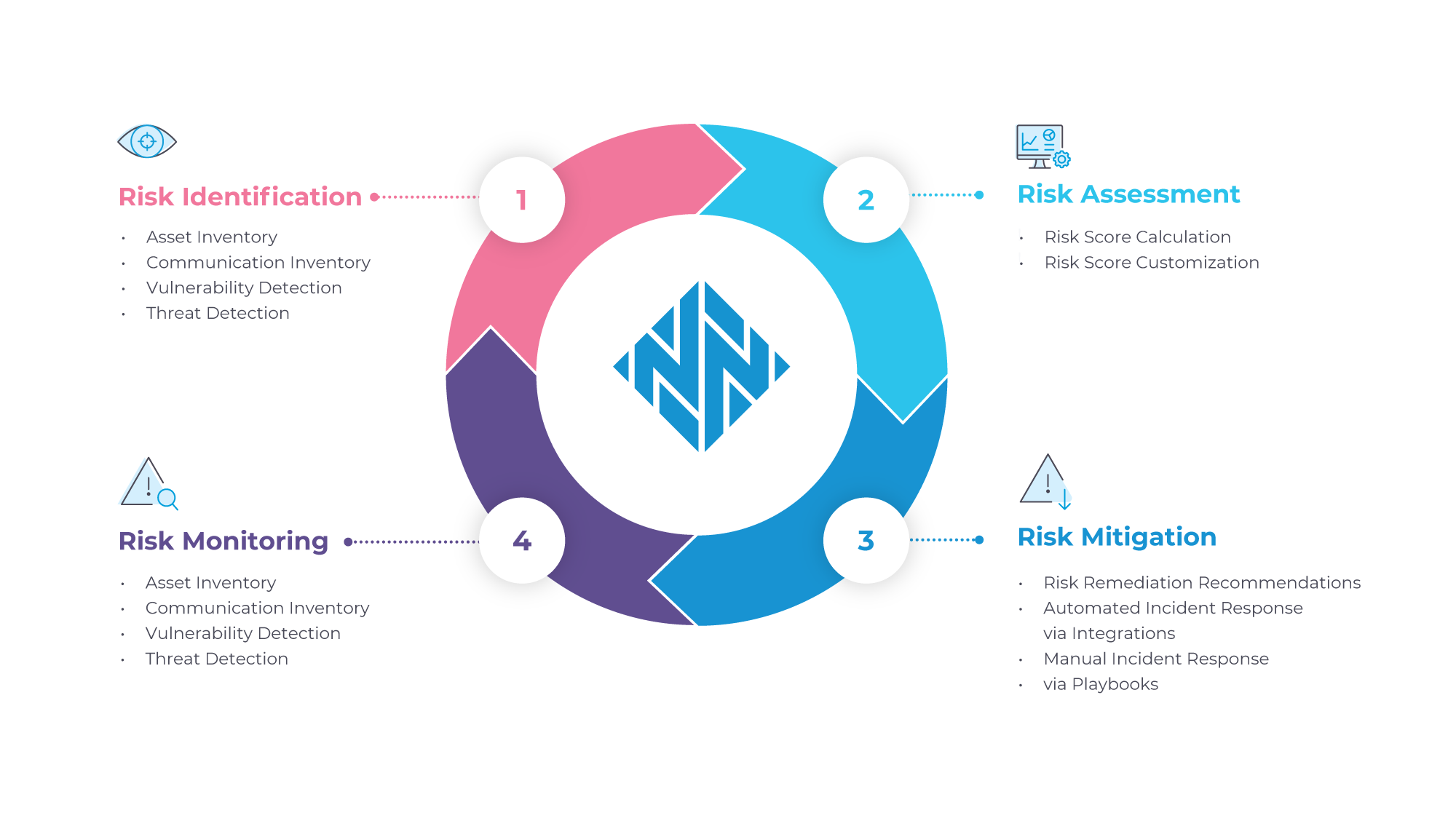
While these frameworks vary in scope, they share a common structure: a continuous risk management lifecycle consisting of risk identification, risk assessment, risk mitigation and risk monitoring. This process orientation is essential given that risk management is not a one‑time exercise but an ongoing operational discipline.
Asset Visibility: The Cornerstone of OT/IoT Risk Management
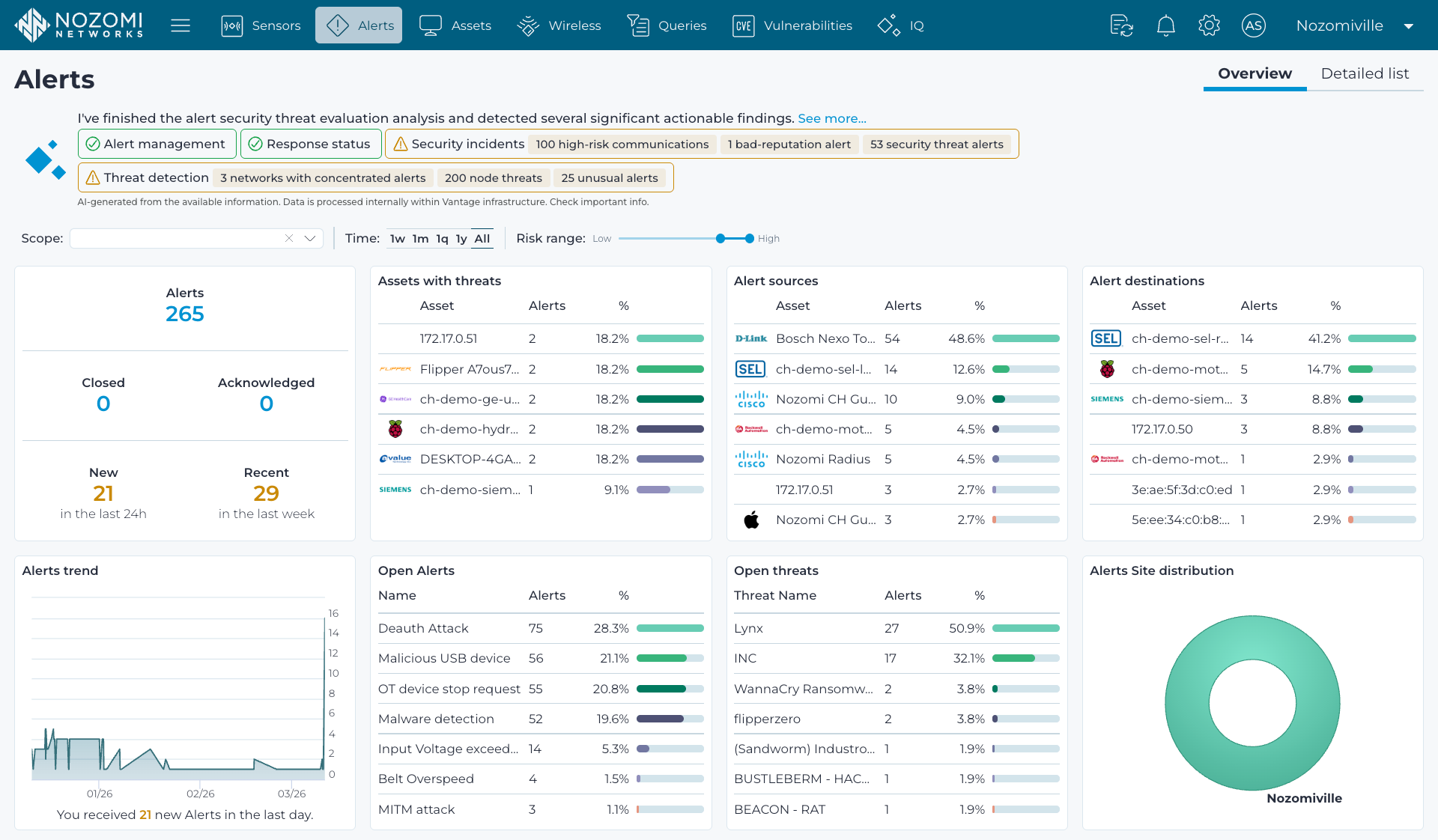
Risk management is not possible without gaining complete visibility of the operational environment yet lack of visibility plagues many organizations. Without accurate, comprehensive insight into assets, communications, vulnerabilities and threats, organizations cannot reliably assess or manage risk.
Indeed, asset visibility is the foundation of practical risk management informed by real-time asset intelligence. Effective risk identification includes detailed asset telemetry, including asset inventories, vulnerabilities, network communications, wired and wireless monitoring and AI‑driven threat detection that minimizes false positives and alert fatigue.
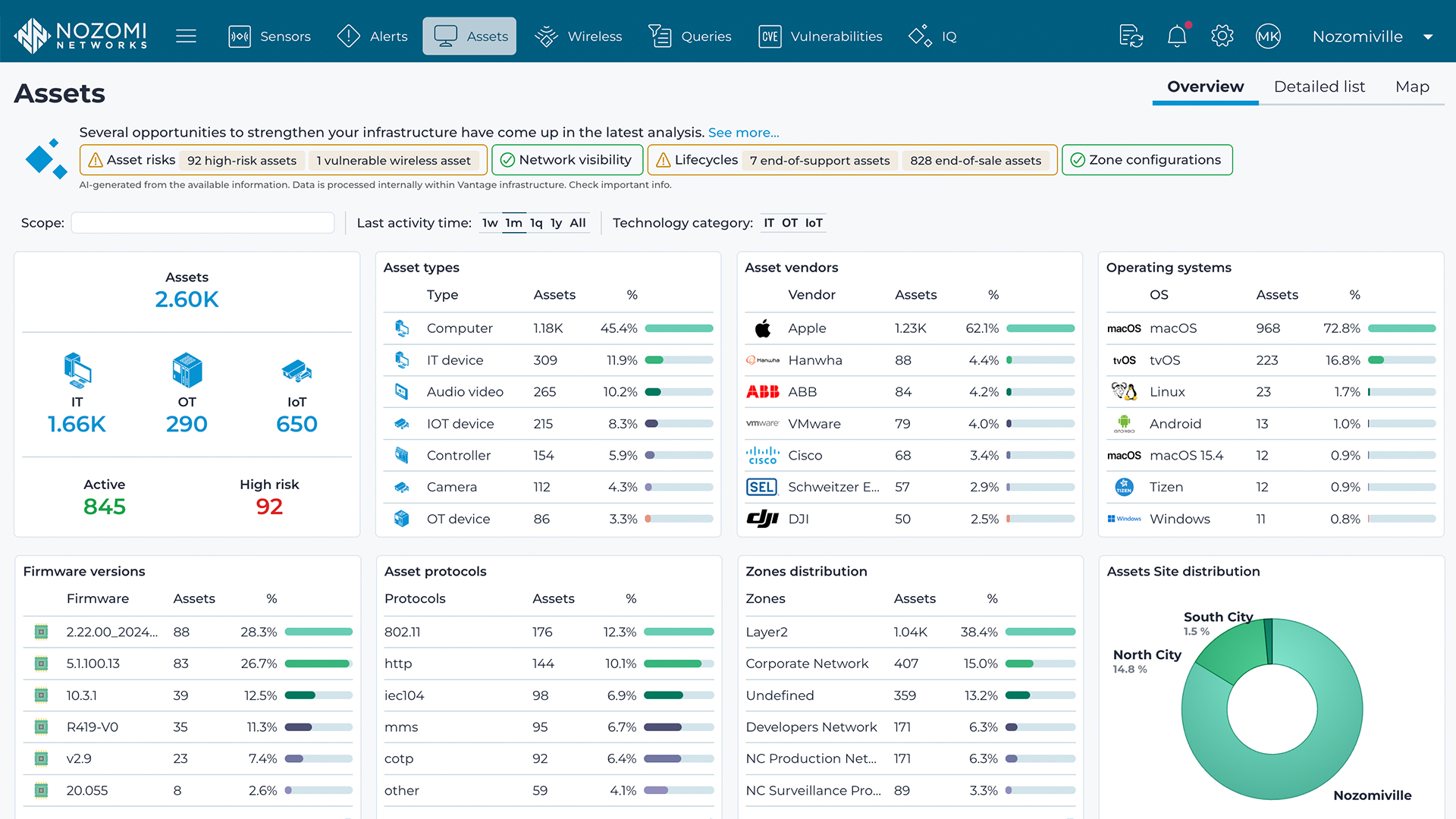
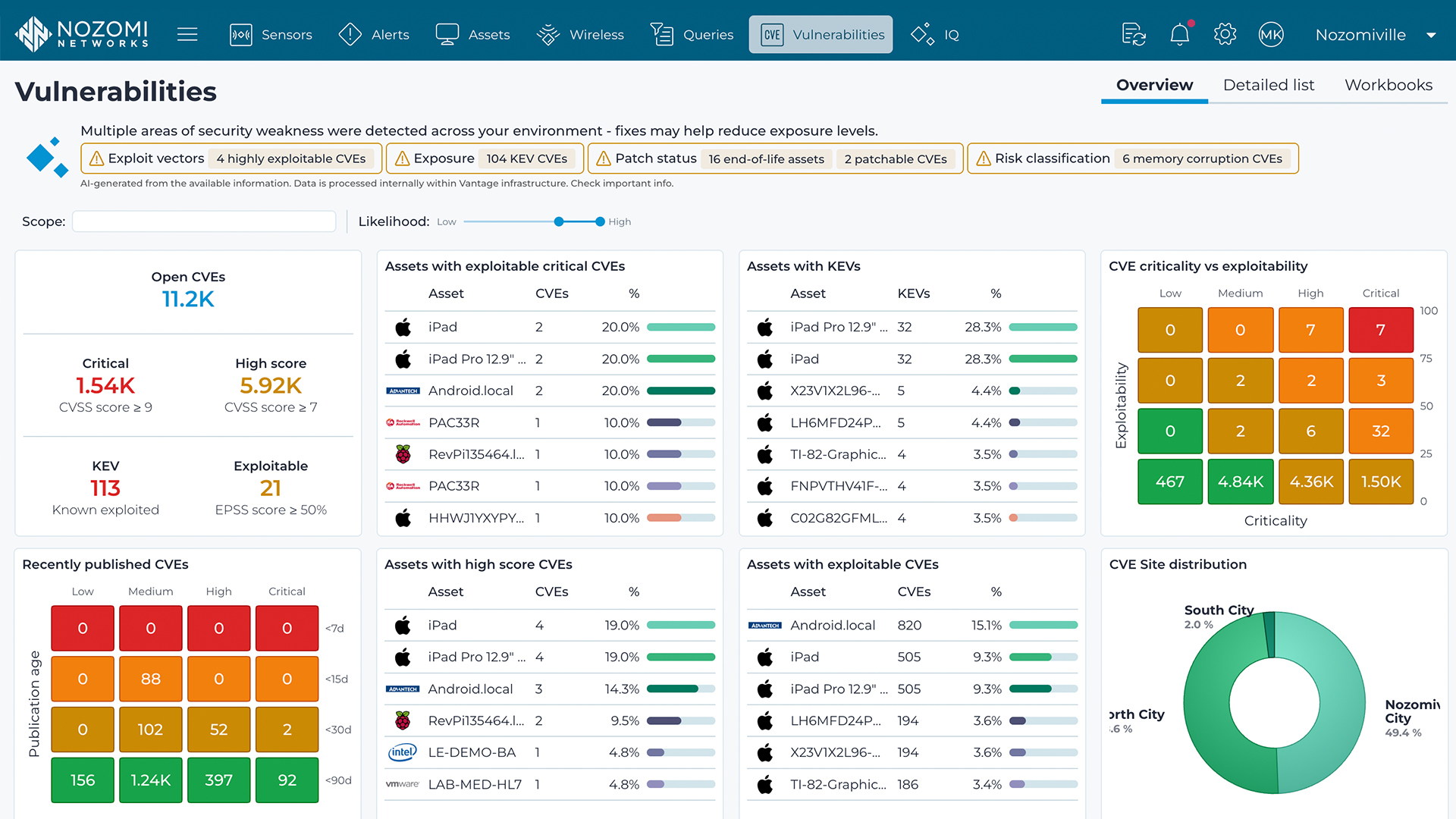
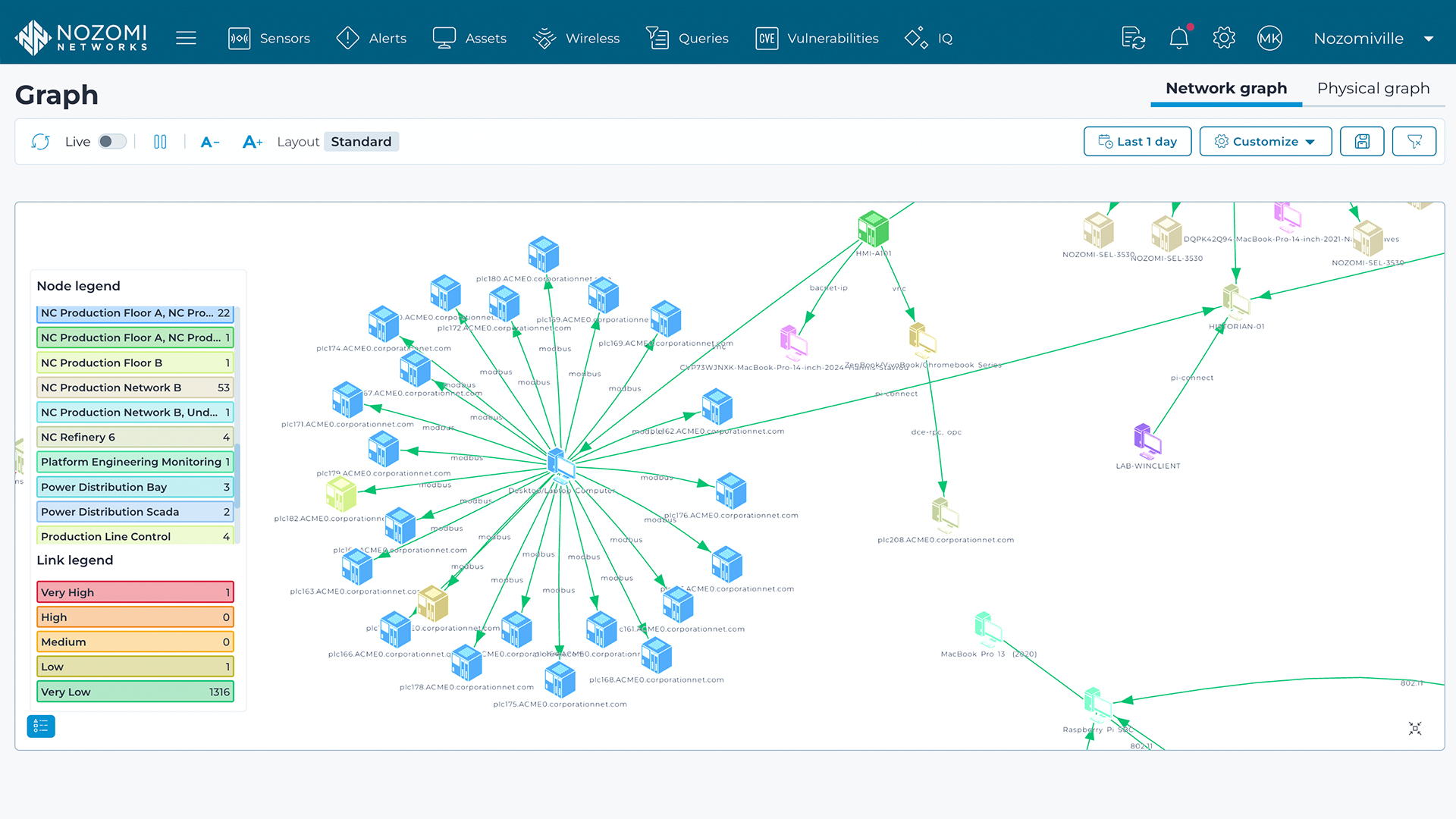
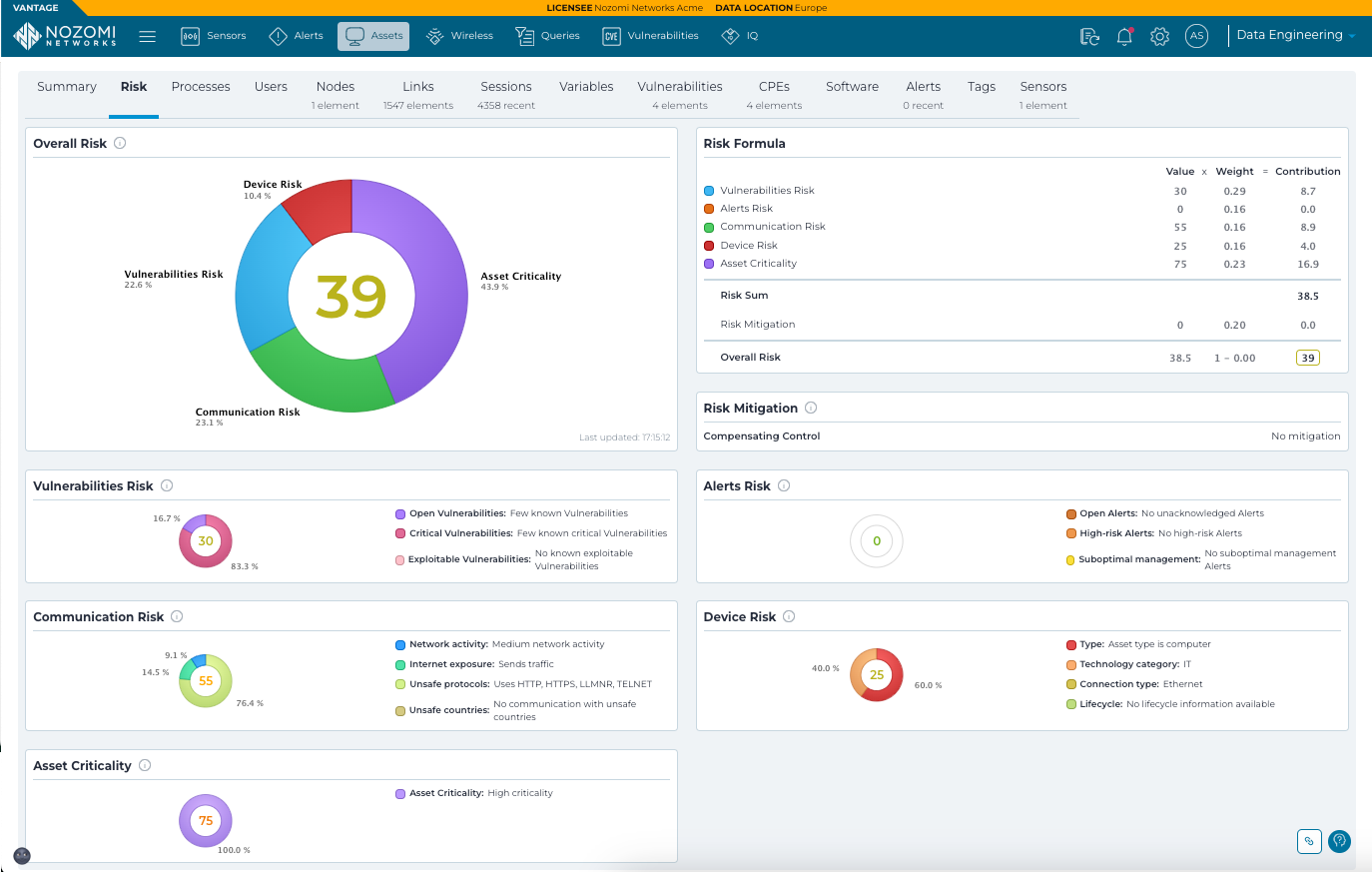
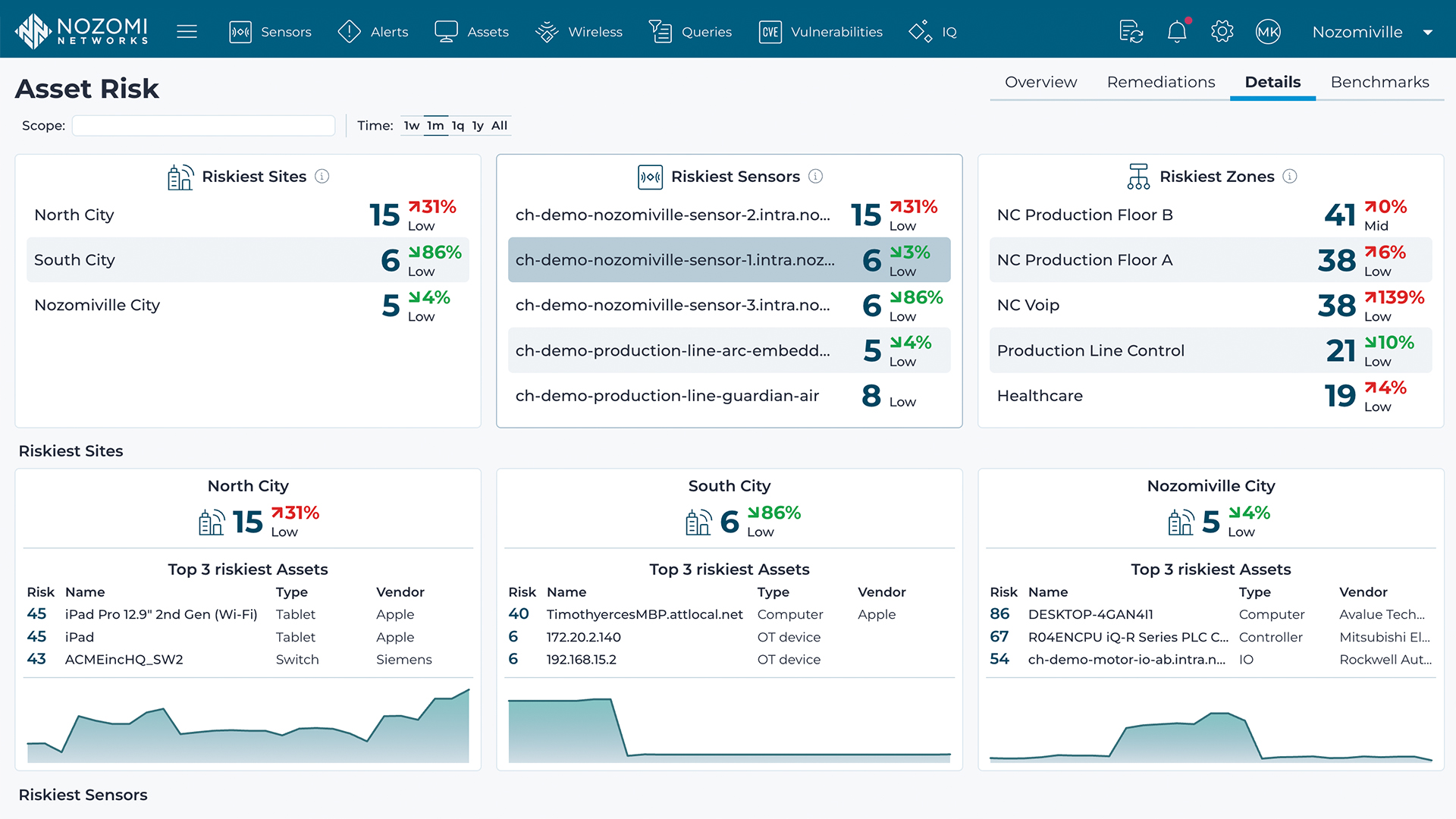
Once visibility is established, risk assessment becomes possible. Asset‑based risk scoring allows organizations to understand risk at multiple levels: individual assets, zones, sites and the enterprise as a whole. By using multiple risk factors and allowing customization to reflect real‑world operational priorities, risk scores become both actionable and relevant.
OT Risk Prioritization, Mitigation and Continuous Monitoring
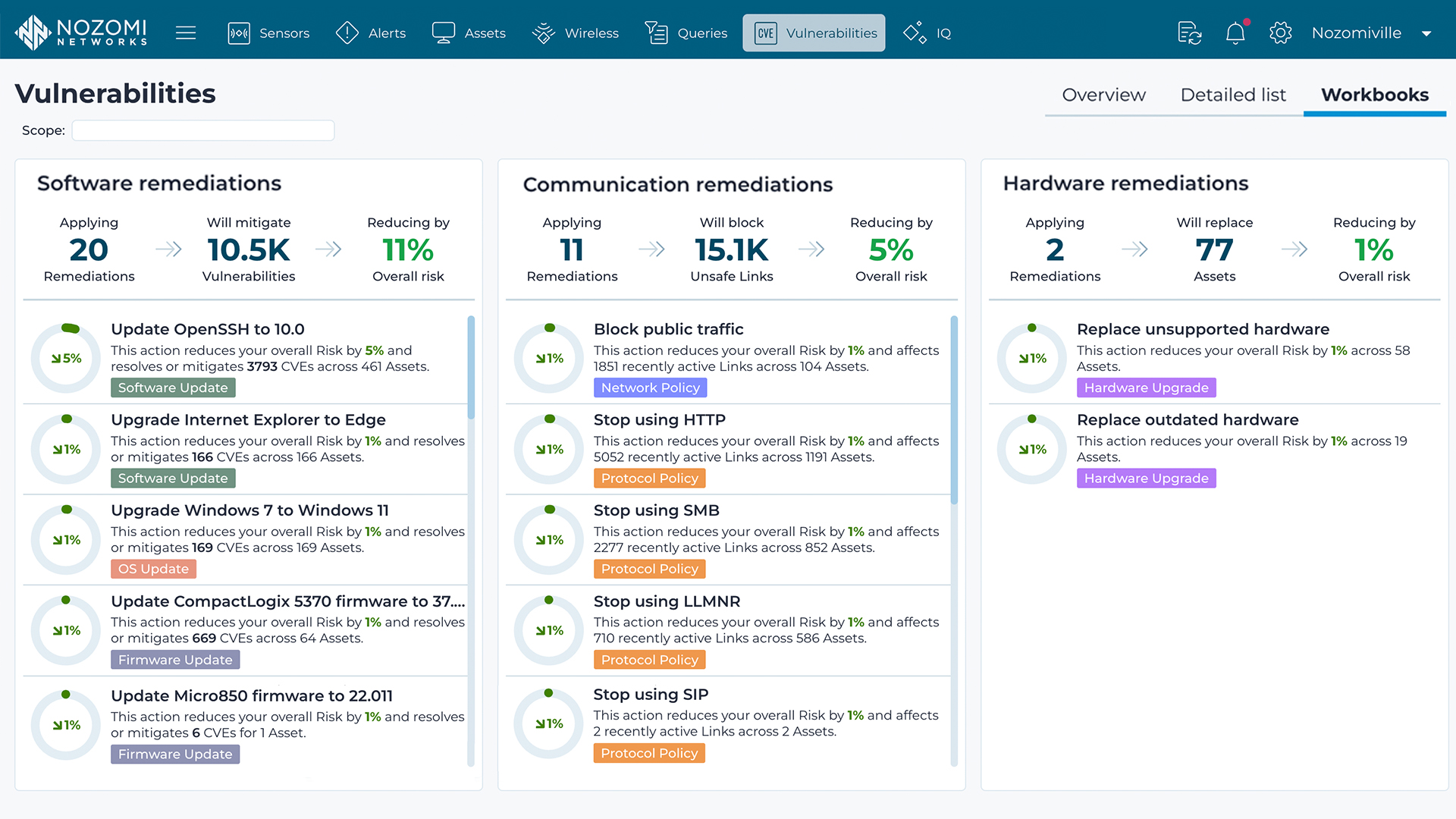
Once an accurate assessment is established from risk scoring, risk mitigation is the next step. Instead of reacting to endless alerts, teams using the Nozomi Networks platform can receive prioritized remediation guidance on what to fix first, and why. Recommendations may include software, communication or hardware actions, supported by integrations with existing security systems and customizable response playbooks.
Equally important is continuous monitoring given how dynamic operational environments are. Risk changes as environments evolve, assets are added and threats emerge. Tracking risk trends over time, therefore, allows organizations to measure progress, assess the effectiveness of security investment and communicate posture clearly to executives and boards. Benchmarking against industry peers adds valuable external context, which organizations may want to consider as they regard cybersecurity and proactive risk management as a competitive advantage.
OT Risk Measurement Over Guesswork
Indeed, OT risk measurement must prevail over guesswork, guiding by three key principles:
- Prioritization is essential in environments overwhelmed by alerts and limited resources.
- Accurate data matters, because poor inputs lead to poor decisions.
- Measurement beats guesswork, enabling organizations to track improvement and justify investments.
Ultimately, effective OT and IoT risk management is a continuous, dynamic and data‑driven process. By grounding decisions in visibility, analytics and business aligned metrics, organizations can transform OT and IoT cyber risk from an abstract concept into a manageable, strategic discipline.
To learn more about OT risk management, watch the on-demand webinar: Unpredictable, Undone. How to Sharpen Your Risk Management Strategy for OT/IoT Environments.


.webp)